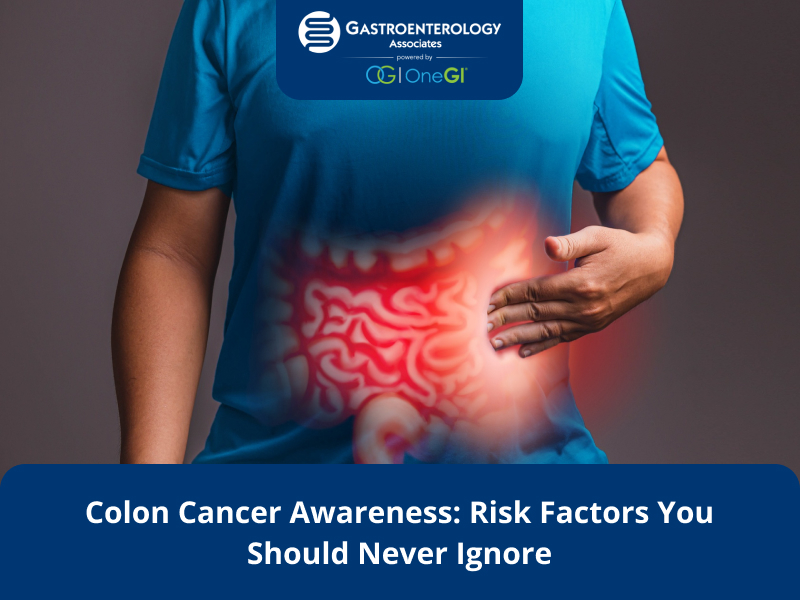
Have you ever ignored a small stomach issue and told yourself it was nothing serious?
Many Americans do this every day. A little bloating. A change in bowel habits. Some fatigue. We blame stress, food, or aging. But sometimes, these small signals are early warning signs of something much more serious.
Colon cancer is one of the most common cancers in the United States. According to the American Cancer Society, over 150,000 new cases are expected each year in the U.S. It affects both men and women, and it is now rising in younger adults.
The good news? When found early, it is highly treatable.
That is why awareness, risk understanding, and timely action matter more than ever.
Table of Contents
Why Colon Cancer Is a Growing Concern in the United States
Colon cancer remains one of the leading causes of cancer-related deaths in America. Cases are increasing in adults under 50, which makes early risk awareness critical. Delayed testing and ignored warning signs are major contributors to late-stage diagnosis.
The Numbers You Should Know
The Centers for Disease Control and Prevention reports that colorectal cancer is the second leading cause of cancer death in the U.S. when men and women are combined.
- Around 52,000 deaths occur annually.
- 1 in 23 men and 1 in 25 women will develop it in their lifetime.
- Rates in adults under 50 have increased by nearly 2% per year over the past decade.
This is not just a disease of old age anymore.
The History and National Importance of Colon Cancer Awareness Month
Colon cancer awareness month was established to increase public education and promote early detection nationwide. National health organizations use March to encourage testing and risk conversations. The month plays a critical role in reducing late-stage diagnosis.
When and Why March Was Designated
March was officially recognized as colon cancer awareness month to bring national focus to prevention, education, and early testing.
Organizations such as:
- The American Cancer Society (.org)
- CDC (.gov)
- National Cancer Institute (.gov)
lead campaigns during march colon cancer awareness month to promote early detection strategies and encourage preventive care.
The goal is simple: reduce deaths through awareness and early action.
Why Awareness Still Matters Today
Despite awareness campaigns:
- Many adults delay screening.
- Younger adults ignore early signs.
- Fear and misinformation still prevent early testing.
Awareness month serves as a reminder that prevention saves lives.
What Exactly Happens in the Body?
Colon cancer begins as small growths called polyps inside the colon lining. Over time, some polyps change at the cellular level and become cancerous. These changes can take 5–10 years, which creates a critical window for detection.
The Polyp-to-Cancer Process
Most colon cancers start as adenomatous polyps. These are abnormal growths in the colon wall. Not all polyps become cancer. But some develop genetic mutations that allow uncontrolled growth.
This transformation happens slowly.
That is why early detection programs are powerful — they remove polyps before they turn dangerous.
Tip: Removing polyps early can prevent cancer from forming at all.
Risk Factors You Should Never Ignore
Colon cancer risk increases due to a mix of genetic, lifestyle, and inflammatory factors. Many people underestimate their personal risk because symptoms may not appear early. Knowing your risk profile helps you act before damage occurs.
Age and Family History
- Risk increases after age 45.
- Having a first-degree relative with colon cancer doubles your risk.
- Hereditary conditions like Lynch syndrome raise lifetime risk significantly (NIH.gov).
Lifestyle-Driven Risk
Research from the National Cancer Institute shows an increased risk in people who:
- Eat high amounts of processed meat
- Have obesity
- Smoke long-term
- Drink alcohol heavily
- Live sedentary lifestyles
These factors cause chronic inflammation and DNA damage in colon cells.
Chronic Inflammatory Conditions
Conditions like ulcerative colitis and Crohn’s disease increase long-term risk due to constant inflammation in the colon lining.
Quick Fact: Chronic inflammation can change the cellular environment and increase mutation rates over time.
Early Warning Signs Most People Miss
Many people ignore subtle warning signs because they seem harmless. However, persistent digestive changes should never be dismissed. Early recognition can lead to faster diagnosis and better outcomes.
Persistent Bowel Changes
One of the most overlooked colon cancer symptoms is a change in bowel habits lasting more than two weeks.
This may include:
- Diarrhea
- Constipation
- Narrow stools
- Feeling that the bowel does not empty fully
Hidden Bleeding
Blood in stool may appear bright red or very dark. Sometimes bleeding is microscopic and only detected in lab testing.
Fatigue and Anemia
Slow internal bleeding can cause iron deficiency anemia. This leads to fatigue, weakness, and shortness of breath.
Tip: If symptoms last more than 2–3 weeks, a medical evaluation is necessary.
Understanding Disease Progression
Disease progression depends on tumor growth and spread to nearby tissues or distant organs. Early-stage detection leads to significantly better survival rates. Late detection reduces treatment options and increases complexity.
Localized vs Advanced Disease
The stages of colon cancer describe how far the tumor has spread:
- Stage 0–1: Limited to the inner lining
- Stage 2–3: Spread to nearby tissues or lymph nodes
- Stage 4: Spread to distant organs like the liver or lungs
Five-year survival exceeds 90% when caught early. It drops below 15% in advanced metastatic cases.
Understanding the stages of colon cancer helps patients understand urgency and treatment options.
The Life-Saving Role of Preventive Testing
Preventive testing detects cancer before symptoms appear. It can also remove precancerous growths during the same procedure. This is one of the most effective cancer prevention tools available today.
Colon Cancer Screening is recommended starting at age 45 for average-risk adults.
Methods include:
- Colonoscopy
- Stool DNA tests
- FIT tests
- CT colonography
Colonoscopy remains the gold standard because it allows removal of polyps during the same procedure.
Colon Cancer Screening reduces death risk by more than 60%.
Recent Advances in Early Detection and Treatment
Medical innovation has improved detection accuracy and patient outcomes. New screening tools are less invasive and more accessible. Treatment strategies now use precision-based approaches.
Lower Age Recommendations
The U.S. Preventive Services Task Force lowered the recommended screening age from 50 to 45 due to rising cases in younger adults.
This change reflects evolving epidemiology trends.
Non-Invasive Stool DNA Testing
Advanced stool-based tests now detect DNA markers associated with colon cancer. These tests increase participation among patients hesitant about colonoscopy.
Targeted and Immunotherapy Advances
Genetic profiling of tumors allows:
- Personalized treatment
- Improved survival outcomes
- Reduced unnecessary chemotherapy exposure
Quick Fact: Precision medicine improves survival rates in certain high-risk patient groups.
Why Do Awareness Campaigns Matter?
Public awareness campaigns improve early detection and reduce stigma. They encourage people to speak about digestive health openly. Awareness also increases screening participation.
During March colon cancer awareness month, national campaigns promote early testing and education.
However, awareness alone is not enough. Action matters.
Younger Adults Are at Rising Risk
Colon cancer rates are increasing in adults under 50. Symptoms are often misdiagnosed as IBS or stress. Delayed diagnosis leads to more advanced disease at discovery.
Younger patients often present with more aggressive disease because symptoms are dismissed.
This makes recognizing colon cancer symptoms early even more important.
Advanced Treatment Has Improved, But Timing Is Everything
Treatment options have advanced significantly over the past decade. Survival rates improve when treatment begins early. Late detection still carries a higher complication risk.
Modern treatments include:
- Minimally invasive surgery
- Targeted therapy
- Immunotherapy
- Precision oncology based on tumor genetics
But none of these replace prevention.
Early testing remains the strongest protective strategy.
Key Takeaways
- Colon cancer is rising in younger adults in the U.S.
- Most cases begin as polyps that develop slowly over years.
- Family history and lifestyle strongly influence risk.
- Persistent digestive changes should never be ignored.
- Early detection increases survival rates above 90%.
- Preventive testing can remove precancerous growths.
- Awareness campaigns are helpful, but personal action saves lives.
Conclusion
Colon cancer does not appear suddenly. It develops slowly. The body gives warning signs. Risk factors build over time. The window for prevention is wide, but only if you act.
At Gastroenterology Associates, the focus is on early detection, advanced digestive care, and patient-centered treatment. Their team specializes in comprehensive gastrointestinal evaluation using modern diagnostic technology and minimally invasive procedures tailored to each patient’s needs.
The difference between early and late detection can mean the difference between a simple procedure and a complex treatment.
Ignoring symptoms delays clarity. Delaying clarity increases risk.
Your health deserves attention before it becomes urgent.
Frequently Asked Questions
1. What is “Dress in Blue Day” and how can I participate?
Dress in Blue Day is an annual event during Colon Cancer Awareness Month where people wear blue to raise awareness and show support for colon cancer prevention. Anyone can participate by wearing blue and sharing photos or messages on social media.
2. Are there financial assistance programs for colon cancer screening?
Yes, many national and local programs offer free or low-cost screening for those who qualify. Ask your healthcare provider or local health department about available resources.
3. How can I get involved in Colon Cancer Awareness Month?
You can join awareness events, volunteer, share information on social media, or participate in fundraising campaigns to support research and patient support.
4. What resources are available for patients and families coping with colon cancer?
Support groups, helplines, and educational materials are offered by organizations like the Colorectal Cancer Alliance and the American Cancer Society.
5. What are some new advances in colon cancer screening and treatment?
Recent advances include non-invasive stool DNA tests, blood-based screening, and targeted therapies based on genetic profiling of tumors.
Are You Ready to Take Control of Your Digestive Health Today?
If you live in the United States and have concerns about digestive changes, family history, or preventive care, the next step is simple.
Do not wait for symptoms to become severe.
Contact our team today to schedule a consultation with experienced gastrointestinal specialists who prioritize early detection and patient-focused care.
Your future health depends on decisions you make now.
Will you take action before it becomes urgent?