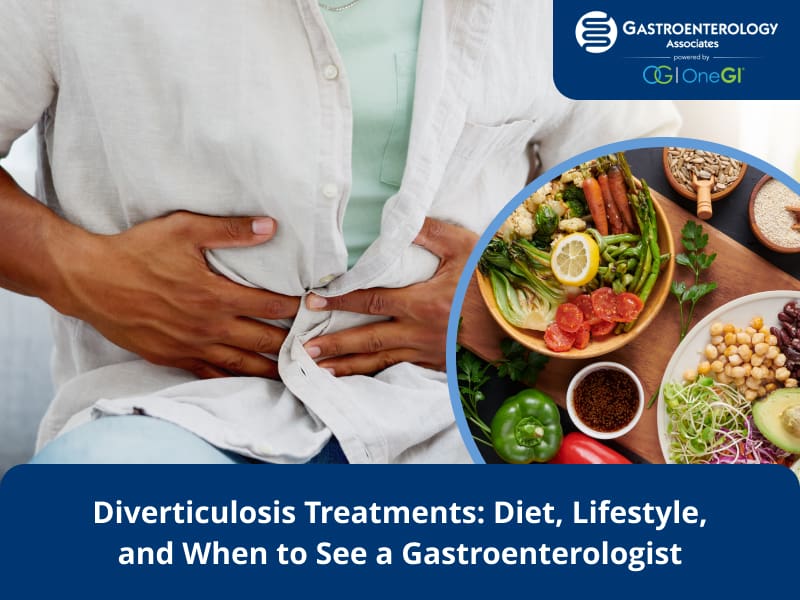
Being diagnosed with diverticulosis can raise many questions: Do I need treatment? Should I change my diet? Will it turn into a more serious condition?
The good news is that many people with diverticulosis do not experience symptoms and can manage their condition through healthy lifestyle habits, a balanced diet, and regular medical guidance when needed. Understanding the right diverticulosis treatments can help you protect your digestive health and recognize when it is time to consult a gastroenterologist.
This guide explains what diverticulosis means, common symptoms, recommended diet and lifestyle changes, the difference between diverticulosis and diverticulitis, and when specialist care may be necessary.
Table of Contents
What Is Diverticulosis?
Diverticulosis is a condition where small pockets, called diverticula, develop in the wall of the colon. These pockets form when areas of the colon wall weaken and bulge outward.
Diverticulosis is relatively common, especially as people get older. Many individuals do not know they have it because the condition often causes no noticeable symptoms. It is frequently discovered during tests such as a colonoscopy or imaging study performed for another reason.
Having diverticulosis does not automatically mean you will develop complications. Many people manage the condition successfully with healthy lifestyle choices and regular medical care when needed.
What Causes Diverticulosis?
The exact reason some people develop diverticula is not always clear, but several factors may contribute, including:
- Aging
- A diet low in fiber
- Chronic constipation
- Reduced physical activity
- Changes in bowel habits
- Increased pressure within the colon
A low-fiber diet may contribute to harder stools, which can make bowel movements more difficult. Over time, repeated strain during bowel movements may place additional pressure on the colon.
Common Diverticulosis Symptoms
Many people with diverticulosis do not experience symptoms. However, some individuals may notice digestive changes.
Possible diverticulosis symptoms may include:
- Mild abdominal discomfort
- Bloating
- Constipation
- Changes in bowel habits
- Feeling of incomplete bowel movements
- Occasional cramping
Because these symptoms can overlap with other common digestive conditions, it is important not to assume that every digestive issue is caused by diverticulosis.
For example, ongoing abdominal pain, significant changes in bowel habits, or rectal bleeding should be evaluated by a healthcare professional. A gastroenterologist can help determine whether symptoms are related to diverticulosis or another condition.
What Should You Do After a Diverticulosis Diagnosis?
After a diverticulosis diagnosis, focus on supporting your digestive health with healthy habits. Gradually increase fiber intake, stay hydrated, remain active, and monitor any changes in symptoms. If you experience ongoing discomfort or concerns, consult a gastroenterologist for personalized guidance.
Understand Your Diagnosis
Ask your healthcare provider:
- How was diverticulosis discovered?
- Do I have symptoms?
- Are there any concerns based on my medical history?
Understanding your condition is the first step toward effective management.
Improve Your Diet Gradually
A sudden increase in fiber can cause gas or bloating. It is usually better to slowly add fiber-rich foods while increasing water intake. Following simple daily habits for better digestive health can make dietary changes easier to maintain over time.
Pay Attention to Symptoms
Keep track of:
- Changes in bowel habits
- New abdominal pain
- Bleeding
- Digestive discomfort
This information can help your provider determine whether additional evaluation is needed.
Diverticulosis Treatments: Diet, Lifestyle, and Medical Care
Managing diverticulosis usually focuses on improving digestive health through a high-fiber diet, proper hydration, regular exercise, and healthy bowel habits. Most people do not need specific treatment unless symptoms or complications develop. A gastroenterologist can provide guidance based on your individual health needs.
Follow a Fiber-Rich Diverticulosis Diet
One of the most important parts of managing diverticulosis is maintaining a healthy eating pattern. Fiber helps add bulk to stool and supports regular bowel movements, which may reduce constipation.
A diverticulosis diet often emphasizes foods that are naturally high in fiber.
High-Fiber Foods to Include
|
Food Group |
Examples |
| Fruits | Apples, berries, pears, oranges |
| Vegetables | Broccoli, carrots, spinach, leafy greens |
| Whole grains | Oatmeal, brown rice, whole wheat bread |
| Legumes | Beans, chickpeas, lentils |
| Nuts and seeds | Based on individual tolerance |
Tips for Increasing Fiber Safely
- Increase fiber slowly over several weeks
- Drink enough water throughout the day
- Include different sources of fiber instead of relying on one food
- Pay attention to how your body responds
Diverticulosis Diet Myths: Foods You May Not Need to Avoid
For many years, people with diverticulosis were advised to avoid foods such as nuts, seeds, and popcorn. However, current evidence does not show that these foods increase the risk of diverticulitis for most people.
Myth 1: People with diverticulosis should completely avoid nuts and seeds.
Fact:
Many people with diverticulosis can safely eat nuts and seeds as part of a balanced diet. These foods provide fiber and nutrients that may support overall digestive health. Your food choices should be based on your personal tolerance and guidance from your healthcare provider.
Myth 2: A low-fiber diet is best for managing diverticulosis.
Fact:
A high-fiber diet is often recommended for many people with diverticulosis because fiber helps support regular bowel movements and may reduce constipation. Increase fiber gradually and drink enough water to avoid bloating or discomfort.
Myth 3: Once you have diverticulosis, you should avoid fruits and vegetables with seeds.
Fact:
Most people do not need to avoid fruits and vegetables with seeds. Foods such as berries, tomatoes, and cucumbers can often be included as part of a healthy eating pattern unless they trigger symptoms for you.
Myth 4: Spicy foods always worsen diverticulosis.
Fact:
Spicy foods do not necessarily worsen diverticulosis or cause complications. However, some people may notice digestive discomfort after eating certain spicy foods. Pay attention to your body’s response and adjust your diet if needed.
Myth 5: Diverticulosis requires a strict diet plan.
Fact:
There is no single diet that works for everyone with diverticulosis. A balanced eating pattern that includes fiber-rich foods, adequate fluids, and nutritious choices is usually more beneficial than strict food restrictions.
Myth 6: Drinking less water helps prevent diverticulosis symptoms.
Fact:
Adequate hydration is important, especially when increasing fiber intake. Water helps fiber work effectively and supports softer, easier-to-pass stools.
Myth 7: Diverticulosis means you should avoid all processed foods forever.
Fact:
While limiting highly processed foods may support better digestive health, occasional consumption does not automatically cause complications. Focus on creating a healthy overall eating pattern with plenty of whole foods.
Lifestyle Changes That Support Colon Health
Healthy daily habits can support colon health and help manage diverticulosis. Regular exercise, staying hydrated, maintaining a healthy weight, and preventing constipation can promote better digestion and overall bowel function.
Stay Physically Active
Regular movement can help promote healthy bowel function. You should aim for consistent activity that fits your health level.
Examples include:
- Walking
- Cycling
- Swimming
- Strength training
Prevent Constipation
Straining during bowel movements can put pressure on the colon.
Helpful habits include:
- Eating enough fiber
- Drinking adequate fluids
- Responding when you feel the urge to have a bowel movement
- Staying active
Maintain a Healthy Weight
A balanced weight may support overall digestive health and reduce the risk of digestive complications.
Medical Treatment Options for Diverticulosis
Most people with uncomplicated diverticulosis do not require medication or procedures. Treatment typically focuses on managing symptoms, improving bowel habits, and preventing complications. If symptoms persist or concerns arise, a gastroenterologist can recommend appropriate evaluations and personalized care options. A gastroenterologist for diverticulosis can help determine whether your symptoms are related to diverticulosis or another digestive condition.
However, medical care may involve:
- Evaluation of ongoing symptoms
- Management of constipation
- Treatment of related digestive problems
- Guidance on diet and lifestyle changes
Diverticulosis vs Diverticulitis: Understanding the Difference
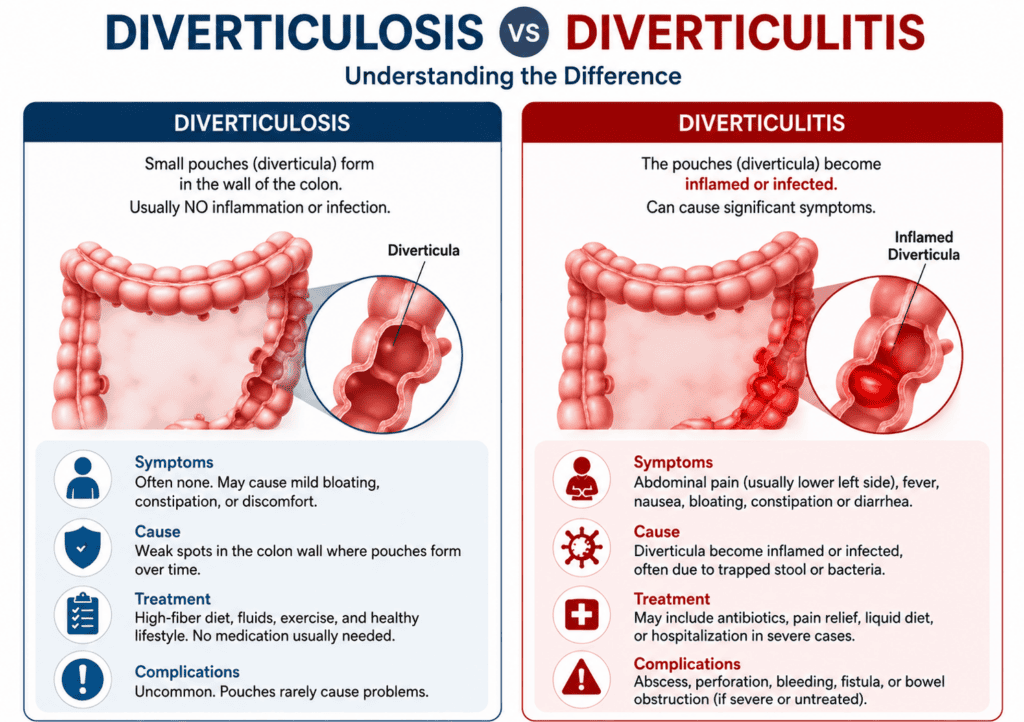
Although they sound similar, diverticulosis and diverticulitis are different conditions. Diverticulosis occurs when small pouches form in the colon, often without symptoms. Diverticulitis happens when these pouches become inflamed or infected, which may cause pain, fever, and other digestive symptoms. Understanding the difference can help you recognize when medical care may be needed.
Diverticulosis
Diverticulosis means small pouches, called diverticula, have formed in the wall of the colon. These pouches are usually not inflamed or infected, and many people do not experience any symptoms. In fact, diverticulosis is often discovered accidentally during a colonoscopy or imaging test performed for another reason.
For many people, diverticulosis does not require specific medical treatment. Maintaining a healthy lifestyle, including eating enough fiber, drinking plenty of fluids, staying active, and preventing constipation, can help support digestive health and reduce the risk of complications.
Diverticulitis
Diverticulitis occurs when one or more diverticula become inflamed or infected. Unlike diverticulosis, diverticulitis can cause noticeable symptoms and may require medical evaluation or treatment.
Common symptoms of diverticulitis may include:
- Severe abdominal pain: Often felt on the lower left side of the abdomen, though the location can vary.
- Fever and chills: These may indicate inflammation or infection.
- Nausea or vomiting: Digestive discomfort can occur during a flare-up.
- Changes in bowel habits: Some people may experience constipation, diarrhea, or difficulty passing stool.
- Abdominal tenderness or bloating: The affected area may feel sensitive or uncomfortable.
In some cases, untreated diverticulitis can lead to complications such as an abscess, bowel blockage, or perforation. If you experience sudden, severe abdominal pain, fever, rectal bleeding, or worsening symptoms, seek medical advice promptly. A gastroenterologist can evaluate your symptoms and recommend the appropriate treatment.
| Feature | Diverticulosis | Diverticulitis |
| Definition | Small pouches form in the colon | Diverticula become inflamed or infected |
| Symptoms | Often no symptoms | Usually causes noticeable symptoms |
| Common concerns | Digestive health management | Possible complications requiring treatment |
| Care approach | Diet and lifestyle support | Medical evaluation and treatment |
When Should You See a Gastroenterologist for Diverticulosis?
While many people manage diverticulosis successfully at home, there are situations where professional guidance is important.
- Consider seeing a gastroenterologist if you experience:
- Persistent abdominal discomfort
- Blood in your stool
- Repeated digestive symptoms
- Changes in bowel habits that do not improve
- Questions about your diagnosis or diet
- Concerns about preventing complications
A gastroenterologist can provide a personalized evaluation and recommend the right approach based on your symptoms, medical history, and digestive health goals.
- Quick Facts About Diverticulosis
- Diverticulosis is common and often discovered accidentally.
- Many people with diverticulosis never develop symptoms.
- A fiber-rich diet may help support regular bowel movements.
- Diverticulosis and diverticulitis are different conditions.
- A gastroenterologist can help evaluate ongoing digestive concerns.
Pro Tip:
Small, consistent changes are often easier to maintain than major diet restrictions.
Try these strategies:
- Add fiber gradually instead of making sudden changes.
- Keep a food journal if you notice certain foods trigger discomfort.
- Focus on overall eating patterns rather than on avoiding unnecessary foods.
- Stay active and maintain regular bowel habits.
- Schedule a medical follow-up when recommended.
Conclusion
Diverticulosis is a common digestive condition that can often be managed with healthy lifestyle habits and the right approach to nutrition. The most effective treatments for diverticulosis typically focus on improving bowel health through fiber intake, hydration, physical activity, and symptom awareness.
Understanding the difference between diverticulosis and diverticulitis is also important, especially when new or concerning symptoms appear. If you have ongoing digestive concerns or need personalized guidance, working with a gastroenterologist can help you create a care plan that fits your needs.
Need Help Managing Diverticulosis?
If you have questions about your digestive health or want expert guidance, contact Gastroenterology Associates to request an appointment with an experienced GI specialist.
FAQs
1. Can diverticulosis be cured permanently?
Diverticulosis usually does not disappear because the pouches that form in the colon typically remain. However, many people manage the condition successfully through diet, lifestyle changes, and medical guidance when needed.
2. Does having diverticulosis mean I will develop diverticulitis?
No. Many people with diverticulosis never develop diverticulitis. Maintaining healthy habits and monitoring symptoms can help support digestive health.
3. Can stress make diverticulosis symptoms worse?
Stress does not cause diverticulosis, but it can affect digestion and may contribute to symptoms such as bloating or changes in bowel habits in some people.
4. How much fiber should someone with diverticulosis eat daily?
Fiber needs vary depending on age, health conditions, and digestive tolerance. Many adults benefit from increasing fiber gradually through foods such as fruits, vegetables, whole grains, and legumes.
5. Do people with diverticulosis need regular follow-up with a gastroenterologist?
Follow-up recommendations depend on your symptoms, medical history, and overall digestive health. A gastroenterologist can advise whether ongoing monitoring is needed.