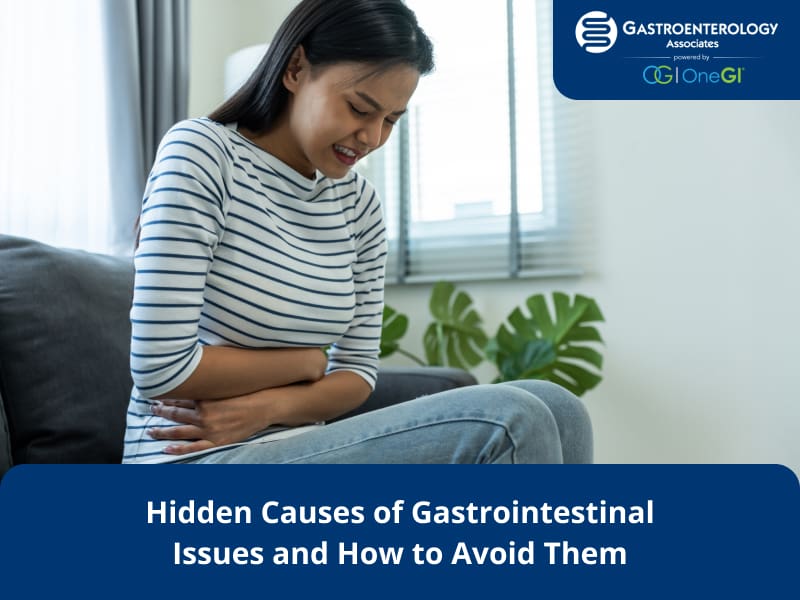
Are you eating right, exercising regularly, and still dealing with bloating, stomach pain, or irregular bowel movements that just will not go away?
You are not alone. According to the NIDDK, an estimated 60 to 70 million Americans are affected by digestive diseases. A nationally representative survey of over 71,000 Americans found that 2 out of 3 individuals experienced at least one gastrointestinal symptom within the past week, and nearly 60% had two or more symptoms happening at the same time.
That number is staggering. Yet most people brush off gut health problems as minor inconveniences. The bigger problem? Many of the real digestive issues are not the obvious ones. They are hidden in everyday habits, common medications, and lifestyle patterns that most people never connect to their digestive system.
This article breaks down those hidden causes and, more importantly, what you can do about each one.
Table of Contents
Why So Many People Have Gut Health Problems Without Knowing the Root Cause
When someone experiences recurring bloating, heartburn, constipation, or diarrhea, the first instinct is usually to blame food. While diet plays a role, it is rarely the only factor.
The gut is one of the most complex systems in the human body. It:
- Houses over 500 species of bacteria
- Communicates directly with the brain through a dedicated nerve pathway called the vagus nerve
- Responds to everything from stress levels to medications to sleep quality
- Produces approximately 90% of the body’s serotonin
Missing one piece of this puzzle means missing the actual cause of the problem. Here are the hidden causes that gastroenterologists see most often, and that rarely make it into standard health advice.
Understanding the full range of gut health problems that affect Americans is the first step toward finding real answers.
The Most Overlooked Triggers Behind Gastrointestinal Diseases
Most people think of gastrointestinal diseases as conditions that develop suddenly or from obvious causes. The reality is different. The triggers are often slow, silent, and deeply embedded in daily routines that feel completely normal. From the painkiller you take after a long week to the sleep you keep sacrificing for work, the gut keeps score of all of it. The five causes below are the ones most commonly missed, most frequently misattributed, and most worth understanding before symptoms get harder to ignore.
Hidden Cause #1: Chronic Stress Is Actively Disrupting Your Gut
Most people know that stress causes headaches or muscle tension. Very few know that it physically damages the gut lining.
Chronic stress inhibits brain-to-gut vagal nerve signaling, thereby promoting intestinal inflammation and disrupting gut motility. When the brain is under sustained pressure, it sends signals that:
- Slow down or speed up gut movement
- Trigger intestinal inflammation
- Weaken the protective mucosal lining of the digestive tract
- Alter the balance of gut bacteria
Research confirms that stress impairs the mucous layer of the gut, alters motility, and induces intestinal inflammation, resulting in symptoms of IBS, bloating, and altered bowel habits.
Chronic psychosocial stress is a recognized risk factor for functional gastrointestinal disorders such as IBS, one of the most prevalent conditions that frequently coincides with mood disorders.
Quick Fact: The gut contains approximately 100 million nerve cells, more than the spinal cord. It is often called the “second brain” because of how directly it responds to psychological signals.
What You Can Do
| Habit | Why It Helps |
| Diaphragmatic breathing (10 min/day) | Activates the vagus nerve, reducing gut inflammation signals |
| Regular moderate exercise | Improves gut motility and lowers cortisol |
| Consistent sleep schedule | Supports the gut-brain communication cycle |
| Therapy or stress counseling | Clinically shown to reduce IBS and functional GI symptoms |
For a broader look at daily changes that support your gut, read: How to Improve Digestive Health with Simple Daily Habits.
Hidden Cause #2: Common Medications Are Quietly Damaging Your Gut
Millions of Americans take ibuprofen or naproxen regularly without a second thought. These NSAIDs (nonsteroidal anti-inflammatory drugs) are among the most widely used medications in the world, and among the most overlooked digestive issues.
Here is what most people are never told:
- Over 30 million individuals use NSAIDs daily, and NSAID-induced enteropathy is one of the most common causes of occult gastrointestinal bleeding in people over age 40.
- Population-level data show that during periods of NSAID use, the rate of upper gastrointestinal bleeding was 3.6 times higher than expected compared to non-NSAID users.
- Chronic NSAID use damages the mucus barrier in the stomach and small intestine and can cause erosions, ulcers, hemorrhage, and small intestinal stenosis. Symptoms often present as nonspecific abdominal pain, diarrhea, and anemia, making them easy to miss.
Tip: If you take NSAIDs regularly for joint pain, back pain, or headaches, ask your doctor whether a proton pump inhibitor or an alternative pain management approach would better protect your gut lining.
Other Medications That Affect Gut Health
| Medication Type | How It Affects the Gut |
| Antibiotics | Strip beneficial bacteria, causing dysbiosis that can persist for months |
| Proton pump inhibitors (long-term) | Alter gut bacteria composition over time |
| SSRIs / Antidepressants | Directly affect serotonin levels in the gut |
| Oral contraceptives | Linked to increased risk of some inflammatory bowel conditions |
| Corticosteroids (combined with NSAIDs) | Significantly increase risk of gastroduodenal bleeding |
Hidden Cause #3: Poor Sleep Is Silently Wrecking Your Microbiome
Sleep is when the body repairs itself, and the gut is no exception. Most Americans fall short of the recommended 7 to 9 hours of sleep, and the gastrointestinal consequences are measurable.
Sleep disturbances trigger stress responses that alter the gut microbiota and disrupt circadian rhythms. These effects are driven by immune system and gut-brain axis dysregulation, which affects microbial diversity and contributes to GI and metabolic illnesses.
What poor sleep does to the gut, step by step:
- Disrupts the circadian rhythm, which governs digestive enzyme secretion and bowel movement timing
- Reduces beneficial bacterial diversity, particularly Bacteroidetes populations that regulate inflammation.
- Increases gut permeability, allowing bacteria and toxins to pass into the bloodstream
- Triggers low-grade systemic inflammation, worsening existing gastrointestinal diseases.
- Slows gastric motility, contributing to bloating, constipation, and discomfort
Quick Fact: Research published in PMC found that sleep deprivation consistently reduces Bacteroidetes, a group of bacteria critical for regulating gut inflammation and normal bowel function.
Sleep Habits That Directly Support Gut Health
| Sleep Habit | Gut Benefit |
| 7 to 9 hours of consistent sleep | Maintains healthy microbial diversity |
| No screens 1 hour before bed | Supports circadian rhythm and melatonin production |
| Dinner 2 to 3 hours before sleeping | Allows proper gastric emptying before lying down |
| Limiting alcohol at night | Alcohol is a direct gut microbiome disruptor |
Hidden Cause #4: Eating Patterns Matter as Much as What You Eat
Most nutrition advice focuses on what to put on your plate. Fewer conversations address the meal patterns that create ongoing digestive stress.
Eating too fast
- Swallowing quickly introduces excess air, causing bloating and gas
- Bypasses the cephalic phase of digestion, where saliva enzymes start breaking down food
- Reduces chewing efficiency, placing more burden on the stomach and small intestine
Irregular meal timing
- Regular meal schedules support healthy microbial communities, while irregular patterns disrupt the gut microbiome and interfere with the body’s digestive rhythm.
Ultra-processed foods
- Low in fiber, which starves beneficial bacteria
- Diets high in fat or sugar negatively impact microbial balance, while fiber-rich diets encourage beneficial bacteria that synthesize short-chain fatty acids, compounds that actively protect the colon lining
- High in emulsifiers and artificial additives that irritate the gut lining
Skipping meals then overeating
- Overwhelms gastric capacity
- Slows gastric emptying
- Worsens acid reflux and upper abdominal discomfort
Tip: You do not need a perfect diet to start improving gut health. Pick one change: consistent meal timing, slowing down while eating, or adding one high-fiber food per day. Each one produces measurable results on its own.
Hidden Cause #5: Undiagnosed Conditions Hiding Behind “Normal” Digestion
This is the most important section of this article.
Over half of Americans experiencing digestive symptoms have never discussed them with a doctor, which is alarming because symptoms like bloating, diarrhea, and abdominal pain can indicate serious underlying conditions, including celiac disease, crohn’s disease, and exocrine pancreatic insufficiency.
Many patients spend years managing what they believe to be minor discomfort with antacids or dietary workarounds. What they do not know is that persistent gastrointestinal symptoms are often early signals of diagnosable and treatable conditions.
Common Conditions Frequently Missed or Delayed in Diagnosis
| Condition | Often Mistaken For | Key Distinguishing Feature |
| Celiac disease | IBS or food sensitivity | Triggered by gluten, it damages the small intestine lining |
| GERD | Occasional heartburn | Chronic, weekly symptoms affecting the esophageal tissue |
| Crohn’s disease / Ulcerative colitis | Stress-related bowel changes | Measurable inflammation and structural bowel changes |
| Microscopic colitis | Normal loose stools | Only visible under a microscope during a colonoscopy biopsy |
| SIBO | Diet-related bloating | Caused by bacteria growing in the wrong part of the gut |
| Gastroparesis | Overeating discomfort | Delayed gastric emptying due to nerve or muscle dysfunction |
These conditions are not rare. They are regularly diagnosed at a gastroenterology clinic, and this is exactly why self-diagnosis and over-the-counter remedies often fail to resolve long-standing gut health problems.
 Key Takeaways
 Key Takeaways
- 60 to 70 million Americans are affected by digestive diseases, and most underreport or dismiss their symptoms
- Chronic stress physically damages the gut lining and disrupts motility through the gut-brain axis
- Regular NSAID use carries a 3.6 times higher risk of upper GI bleeding compared to non-users
- Poor sleep directly disrupts the gut microbiome, increases gut permeability, and triggers inflammation
- Meal timing, eating speed, and food regularity affect digestion as much as food content itself
- Conditions like celiac disease, SIBO, IBD, and microscopic colitis are commonly missed without clinical evaluation
- Over half of Americans with persistent GI symptoms have never spoken to a doctor about them
Conclusion
Gut health problems do not always announce themselves loudly. More often, they show up as vague discomfort that people have learned to live with, season after season, year after year. But the body is not meant to operate in persistent discomfort. Behind every case of chronic bloating, unpredictable bowel habits, or recurring stomach pain is a cause, and that cause can be found.
The question is not whether your digestive issues are worth investigating. The real question is: how long are you willing to wait before you do?
Frequently Asked Questions
Q1. Can a leaky gut cause symptoms outside the digestive system?
Yes. When the gut lining is compromised, bacterial byproducts enter the bloodstream and trigger immune responses in unrelated organ systems. This has been linked to skin conditions like eczema, joint pain, chronic fatigue, and brain fog. A gastroenterologist can evaluate whether gut permeability is contributing to your broader health picture.
Q2. How is SIBO diagnosed and treated?
SIBO is diagnosed using a breath test that measures hydrogen and methane gas produced by bacteria in the small intestine. Elevated gas levels at specific time intervals indicate bacterial overgrowth. Treatment typically involves targeted antibiotics, dietary adjustments (often a low-FODMAP approach), and identifying and correcting the underlying cause that allowed bacteria to accumulate where they should not be.
Q3. Is it possible to have IBD and IBS at the same time?
Yes. IBD (Crohn’s disease and ulcerative colitis) and IBS are different conditions but can coexist. IBD involves visible inflammation and structural damage. IBS is a functional disorder with no visible tissue damage. Patients with IBD can develop IBS-like symptoms even during remission, which is why accurate diagnosis through a gastroenterology specialist matters for proper treatment planning.
Q4. When should someone get a colonoscopy for gut health concerns, not just cancer screening?
While colonoscopy is recommended starting at age 45 for cancer screening, it is also used diagnostically at any age for rectal bleeding, chronic unexplained diarrhea, unintentional weight loss, significant changes in bowel habits, or unexplained anemia. It allows direct visualization of the colon lining, biopsy collection, and diagnosis of conditions like colitis, polyps, diverticular disease, and microscopic colitis.
Q5. Can the gut microbiome recover after antibiotic use?
Partial recovery typically occurs within four to six weeks. Full restoration of microbial diversity may take months and may not return to baseline without targeted support. A fiber-rich diet, fermented foods, and diverse plant-based intake support microbiome rebuilding. Probiotic supplementation may help in specific cases, though effectiveness varies by strain and individual. A gastroenterologist can advise you on evidence-based approaches tailored to your personal history and symptoms.
Are You Ready to Get Real Answers About Your Digestive Health?
If you have been managing gut symptoms on your own without lasting relief, it may be time to speak with a specialist. The team at Gastroenterology Associates serves patients across Northern Virginia, with offices in Gainesville, Manassas, and Warrenton.
- Board-certified gastroenterologists
- Advanced diagnostic care for all gastrointestinal diseases
- Same team, three convenient locations
Call us at 571-248-0653 or visit our website to request your appointment today.