
We are happy to announce that Gastroenterology Associates has joined One GI®, the Home for Independent Gastroenterology based out of Tennessee. We are bringing our teams together so we can continue to focus on patient’s well-being and meet the growing needs for GI healthcare in the communities we serve.
March is... Colon Cancer Screening Month
Colorectal cancer is the #2 cancer killer in the United States, yet it is one of the most preventable types of cancer.
Over 80% of all cases of colorectal cancer can be prevented with recommended screening. This is why early detection is vital.
Screenings start at the age of 45, unless you have a family history of colon cancer which may result in the need for an earlier screening. Consult your physician for a recommendation.
If you are interested in getting a screening colonoscopy, please talk to a Staff Member today to find out how you can get scheduled for this life saving test.
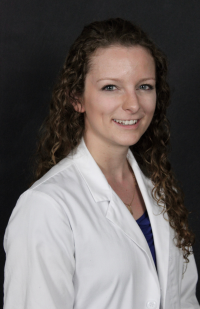
Taylor received her Bachelor of Science Degree in Chemistry with concentration in Biochemistry from George Mason University in 2014. She then completed her Master’s Degree in Physician Assistant Studies at Shenandoah University in 2017. She initially worked in the hospital-ICU setting in Fairfax, Virginia for 5 years. In 2022, she transitioned to the GI specialty with the Gastroenterology Associates practice. Taylor has a special interest in geriatrics (patients over age 65) and helping patients feel educated and empowered to make individualized decisions regarding their health and wellbeing as they age. She evaluates and treats patients with a broad spectrum of GI diseases/conditions alongside the GAPC doctors and team. She was raised in the Warrenton/Gainesville area and continues to call this her home. She enjoys DIY home improvement projects and outdoor activities including gardening irises and kayaking.
Do you snow how important it is to get screened for Colon Cancer?
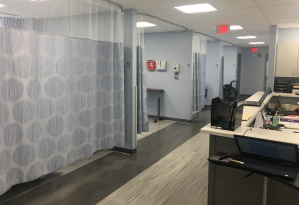
Check out our endoscopy suite in Warrenton!
Colon Cancer Awareness
Colon cancer occurs in the terminal part of the digestive tract otherwise known as the large intestine, or the colon. It can start as small as a benign clump of cells called adenomatous polyps. Over time, these small noncancerous polyps can potentially become cancerous. These polyps can develop undetected, it is recommended to schedule a regular screening test to help prevent colon cancer altogether.
Once diagnosed, especially in the early stages, colon cancer is highly treatable.
You and your doctor will discuss options that will best treat your condition.
This information was obtained from Mayo Clinic.