
A burning sensation in your stomach, frequent nausea, bloating, or recurring indigestion can make you wonder: “Is this gastritis, or could I have a stomach ulcer?”
Many people experience stomach discomfort and assume it is simple acidity or a temporary digestive issue. However, ongoing symptoms may sometimes indicate conditions that require medical evaluation.
Gastritis and peptic ulcers are two common digestive conditions that are often confused because they share similar symptoms. Both can cause stomach pain, nausea, and discomfort, but they affect the digestive system differently.
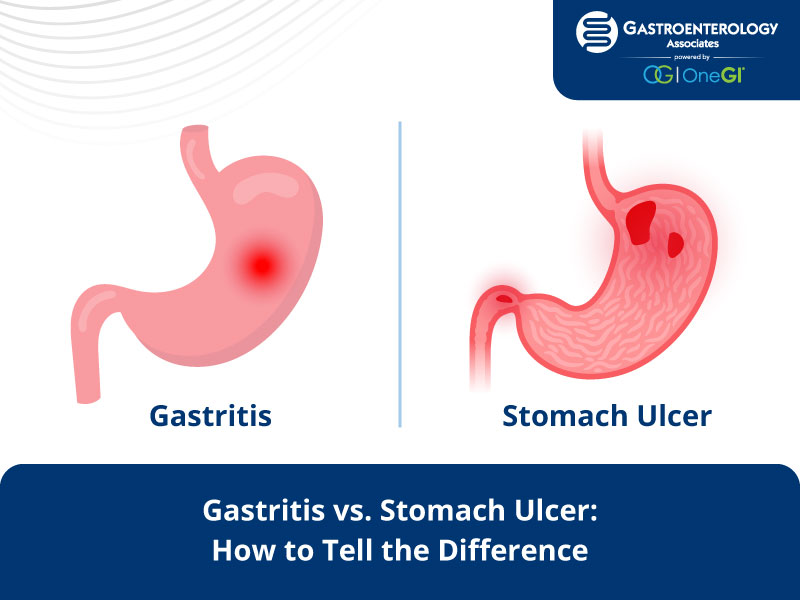
Gastritis occurs when the stomach lining becomes inflamed, while peptic ulcers are open sores that develop in the stomach or the upper part of the small intestine.
Understanding the difference between gastritis and stomach ulcers can help you recognize symptoms, understand possible causes, and know when to consult a gastroenterologist.
Many patients delay care because they mistake persistent stomach symptoms for routine acidity. While symptoms may seem mild initially, identifying the underlying cause is important for proper treatment and preventing complications.
Table of Contents
Quick Facts About Gastritis and Peptic Ulcers
- Gastritis is inflammation or irritation of the stomach lining.
- Peptic ulcers are sores that develop in the stomach or duodenal lining.
- Helicobacter pylori (H. pylori) infection is a common cause of both conditions.
- Long-term use of certain pain medications, such as NSAIDs, can increase the risk.
- Untreated peptic ulcers may lead to complications such as bleeding.
What Is Gastritis?
Gastritis is a condition where the protective lining of the stomach becomes inflamed or irritated.
The stomach produces acid to break down food, but a protective mucus layer normally prevents this acid from damaging stomach tissue.
When this protective barrier becomes weakened, inflammation may develop.
Gastritis can be:
- Acute gastritis: Develops suddenly and may improve after treatment.
- Chronic gastritis: Develops gradually and may continue for a longer period.
Some people with gastritis experience noticeable symptoms, while others may have mild symptoms or no symptoms at all.
Common Causes of Gastritis
Understanding the causes of gastritis can help identify risk factors and guide treatment.
H. pylori Infection
One of the most common causes of gastritis is infection with Helicobacter pylori (H. pylori) bacteria.
This bacterium can damage the stomach’s protective lining and trigger inflammation.
Long-Term NSAID Use
Regular use of nonsteroidal anti-inflammatory drugs (NSAIDs), including medications such as ibuprofen and aspirin, may irritate the stomach lining.
These medications can reduce protective substances in the stomach, increasing the risk of inflammation.
Alcohol and Lifestyle Factors
Excessive alcohol consumption can irritate the stomach lining.
Other factors that may contribute include:
- Smoking
- Certain infections
- Autoimmune conditions
- Severe physical stress from illness or injury
Common Gastritis Symptoms
The severity of symptoms can vary from person to person.
Common gastritis symptoms include:
- Burning or aching discomfort in the upper abdomen
- Nausea
- Feeling unusually full after eating
- Bloating
- Indigestion
- Loss of appetite
- Frequent stomach discomfort
Some people may mistake these symptoms for acid reflux or other digestive problems because they can feel similar.
Real-World Example: Gastritis Symptoms
A 35-year-old patient experiences frequent stomach burning, mild nausea, and bloating after meals. The symptoms began after several weeks of regular painkiller use for back pain.
During evaluation, a gastroenterologist reviews medication history and considers whether NSAID-related stomach irritation may be contributing to gastritis.
Insight:
“Medication history is often an important clue when evaluating stomach inflammation. Patients may not realize that common pain relievers can affect the stomach lining.”
What Are Peptic Ulcers?
Peptic ulcers are open sores that develop in the inner lining of the stomach or the first part of the small intestine.
Unlike gastritis, which mainly involves inflammation, ulcers involve more serious damage to the protective tissue.
The two main types of peptic ulcers are:
Gastric Ulcers
These occur inside the stomach.
Duodenal Ulcers
These occur in the upper part of the small intestine. Peptic ulcers develop when stomach acid damages areas where the protective lining has become weakened.
What Causes Peptic Ulcers?
The most common causes of peptic ulcers include:
H. pylori Infection
H. pylori bacteria can damage the stomach’s protective barrier, allowing digestive acids to irritate the underlying tissue and create an ulcer.
NSAID Medications
Long-term use of NSAIDs can reduce substances that help protect the stomach lining, increasing ulcer risk.
Other Risk Factors
Factors that may increase risk include:
- Smoking
- Excess alcohol use
- Previous history of ulcers
- Certain medical conditions
Peptic Ulcer Symptoms
Common peptic ulcer symptoms may include:
- Burning stomach pain
- Pain that occurs between meals or at night
- Feeling bloated
- Nausea
- Frequent burping
- Changes in appetite
More serious symptoms of a peptic ulcer may include:
- Vomiting blood
- Black or tar-like stools
- Sudden severe abdominal pain
- Unexplained weight loss
These warning signs require prompt medical attention.
Real-World Example: Peptic Ulcer Symptoms
A 48-year-old patient experiences recurring burning stomach pain that improves temporarily after eating but returns several hours later.
Because the pain pattern suggests possible ulcer-related symptoms, the gastroenterologist recommends further evaluation, including H. pylori testing and possible upper endoscopy.
Clinical takeaway:
Recurring stomach pain should not always be treated as simple acidity. Identifying the cause helps guide the right treatment.
| Feature | Gastritis | Peptic Ulcers |
|---|---|---|
| Condition type | Inflammation of stomach lining | Open sore in stomach or intestine lining |
| Main issue | Irritation and inflammation | Tissue damage |
| Common causes | H. pylori, NSAIDs, alcohol irritation | H. pylori, NSAIDs |
| Pain pattern | Burning discomfort, indigestion | Persistent burning or aching pain |
| Complication risk | Inflammation-related problems | Bleeding and perforation risk |
How Can You Tell If You Have Gastritis or a Peptic Ulcer?
Although both conditions may cause similar symptoms, they differ in some ways.
Symptoms That May Overlap
Both gastritis and ulcers can cause:
- Upper stomach discomfort
- Burning sensation
- Nausea
- Bloating
- Indigestion
Because symptoms overlap, you can’t always identify the condition based only on how you feel.
Signs That May Suggest a Peptic Ulcer
A peptic ulcer may be more likely when symptoms include:
- Persistent burning stomach pain
- Pain that returns frequently
- Discomfort between meals
- Night-time stomach pain
- Signs of internal bleeding
A healthcare provider may recommend testing to determine the exact cause.
Can Gastritis Turn Into a Stomach Ulcer?
Chronic gastritis does not always become an ulcer, but ongoing inflammation can weaken the stomach lining.
If the underlying cause, such as H. pylori infection or medication-related irritation, is not treated, continued damage may increase the risk of ulcer development.
Early evaluation and proper treatment can help prevent complications.
How Doctors Diagnose Gastritis and Peptic Ulcers
A gastroenterologist may use several methods to determine the cause of digestive symptoms.
Medical History and Physical Examination
Your doctor may ask about:
- Type and location of pain
- Duration of symptoms
- Medication use
- Diet and lifestyle factors
- Previous digestive problems
H. pylori Testing
Testing may include:
- Breath tests
- Stool tests
- Blood tests
These tests help identify whether H. pylori infection is contributing to symptoms.
Upper Endoscopy
An upper endoscopy allows doctors to examine the stomach and upper digestive tract using a small flexible camera.
This procedure can help identify:
- Inflammation
- Ulcers
- Bleeding areas
- Other digestive conditions
A gastroenterology specialist can determine whether endoscopy or other testing is appropriate based on your symptoms.
Treatment Differences Between Gastritis and Peptic Ulcers
Treatment depends on the underlying cause.
Gastritis Treatment
Treatment may include:
- Medications that reduce stomach acid
- Treating H. pylori infection if present
- Avoiding stomach-irritating medications when possible
- Lifestyle changes
Peptic Ulcer Treatment
Treatment may include:
- Antibiotics for H. pylori infection
- Acid-reducing medications
- Protecting the stomach lining
- Managing medication-related causes
Most peptic ulcers can heal successfully when properly diagnosed and treated.
When Should You See a Gastroenterologist?
You should consider medical evaluation if you experience:
- Stomach pain that continues or keeps returning
- Persistent nausea or vomiting
- Difficulty eating normally
- Unexplained weight loss
- Blood in vomit or stool
- Symptoms that do not improve with lifestyle changes
Ignoring recurring stomach symptoms may delay diagnosis of conditions that require treatment.
Pro Tip
Do not assume recurring stomach pain is only acidity.
Acid reflux, gastritis, ulcers, and other digestive conditions can produce similar symptoms.
Keeping track of the following can help your gastroenterologist make a more accurate diagnosis:
- When symptoms occur
- Foods that trigger discomfort
- Medications you take
- Changes in symptoms
Key Takeaways
- Gastritis and peptic ulcers are different conditions: Gastritis causes inflammation of the stomach lining, while peptic ulcers create open sores in the stomach or small intestine lining.
- Symptoms can overlap: Both conditions may cause stomach burning, nausea, bloating, and indigestion, making it hard to identify the cause based on symptoms alone.
- Peptic ulcers involve deeper tissue damage: Unlike gastritis, ulcers can damage the protective lining and may lead to complications such as bleeding if untreated.
- Common causes include H. pylori infection and NSAID use: These are major risk factors linked to both gastritis and peptic ulcers.
- Gastritis symptoms may include discomfort, nausea, and fullness: Evaluate common gastritis symptoms if they persist or affect daily life.
- Peptic ulcer symptoms may require closer attention: Persistent burning pain, nighttime discomfort, black stools, vomiting blood, or unexplained weight loss can be warning signs.
- Diagnosis requires professional evaluation: A gastroenterologist may use medical history, H. pylori testing, and upper endoscopy to determine the cause.
- Treatment depends on the underlying cause: Managing infections, reducing stomach irritation, and using appropriate medications can help improve symptoms and promote healing.
- Do not ignore recurring stomach problems: Ongoing digestive symptoms should be evaluated to prevent complications and ensure the right treatment approach.
Conclusion
Gastritis and peptic ulcers may feel similar, but they are different digestive conditions. Gastritis involves inflammation of the stomach lining, while peptic ulcers involve open sores caused by damage to the stomach or intestinal lining.
Understanding symptoms such as stomach burning, nausea, recurring pain, and warning signs can help you decide when to seek medical advice.
If you have ongoing digestive discomfort, a gastroenterologist can identify the cause through a proper evaluation and recommend an appropriate treatment plan.
Not Sure If Your Symptoms Are Gastritis or a Peptic Ulcer?
You do not have to guess. A gastroenterology specialist can help determine whether your symptoms are related to gastritis, peptic ulcers, acid-related conditions, or another digestive issue.
Gastroenterology Associates provide expert digestive care to help patients understand their symptoms and receive appropriate treatment recommendations.
Schedule a consultation today to take the first step toward better digestive health.
FAQs
Can stress cause gastritis or stomach ulcers?
Stress alone is not usually the direct cause of gastritis or peptic ulcers. However, severe physical stress from illness or injury can affect the stomach, and stress may worsen digestive symptoms.
Can diet alone heal gastritis or a peptic ulcer?
Diet changes may help reduce discomfort, but they usually do not treat the underlying cause. Conditions caused by H. pylori infection or medication use often require medical treatment.
Are gastritis and ulcers dangerous if left untreated?
Some cases may remain mild, but untreated ulcers can lead to complications such as bleeding. A healthcare professional should evaluate persistent symptoms.
Can children and young adults develop peptic ulcers?
Yes. Peptic ulcers can occur at different ages, especially when risk factors such as H. pylori infection or certain medications are involved.
How quickly do gastritis and ulcers improve after treatment?
Improvement time varies by cause, severity, and treatment approach. Some people improve within weeks, while others may require longer follow-up care.